Identity, Belonging & Becoming a Therapist
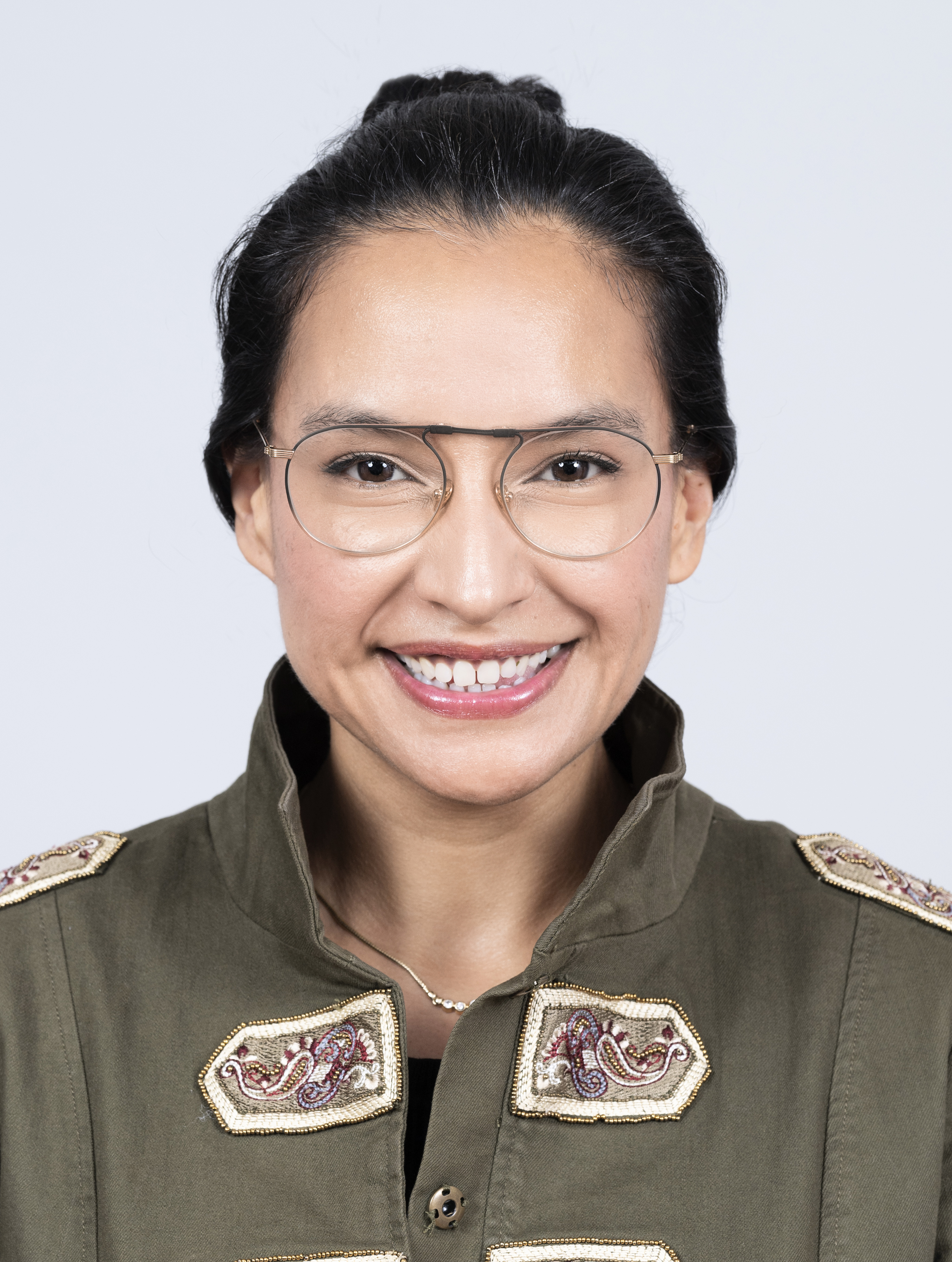
Here we go! Blog entry #1 for me as a therapist and resistant social media user. May I rise from the shadows of “red flag nation” and never look back.
Feeling both vulnerable and victorious at the same time seems perfectly fitting given what we so readily ask of our clients as therapists. So here I am, trying something new, feeling uncomfortable and welcoming the discomfort. Thankfully, I’ve had a lot of experience with discomfort.
Like many folks who enter the mental health profession, my childhood was a confusing mix of opportunity and adversity. What began as a fairytale adoption from a Colombian orphanage quickly morphed into a cross-cultural crash course in race, privilege and gender that has continually confused and propelled me forward at the same time.
Growing up, I found myself navigating worlds that didn’t always seem to fit together. There were opportunities for which I felt immense gratitude, alongside experiences that were much harder to understand. Questions about identity, belonging, and what it meant to feel at home in my own skin were rarely accompanied by straightforward answers from the adults in my life.
Perhaps most confusing of all was discovering that seemingly contradictory experiences could coexist. I could feel fortunate and disconnected, grateful and angry, loved and misunderstood, sometimes all at once. It took me years to appreciate that these contradictions didn’t necessarily need to be resolved. They were part of a much larger, more complicated human experience that I was only beginning to understand.
In many ways, my relationship with the field of psychology has followed a similar path. For years, I struggled to make sense of psychological wellness and belonging, even as opportunities for healing seemed to be everywhere. From Buddhism and mindfulness to philosophy and psychology, NYC was an infinite scroll of mental health options that I eagerly consumed.
Some approaches resonated more than others, and many offered valuable ways of understanding myself and the contradictory world around me. Yet in time, I began to notice something that transcended the methods or philosophies I was exploring. My most meaningful moments of healing often had less to do with finding the “right” explanation for my experiences and more to do with the human-to-human connection that somehow removed the isolation from some of my most painful experiences.
There was something profoundly different about being understood rather than analyzed, accompanied rather than advised, and accepted without having to explain away the contradictions of my experience. This didn’t necessarily make difficult feelings disappear, but it changed my relationship with them. What has once felt isolating became something I could explore, understand, and eventually integrate into a more compassionate understanding of myself and others.
What I didn’t fully appreciate at the time was how much this realization would shape the chapters of my life that followed.
Over the years, through coaching, mentoring, and helping people find greater agency in their personal and professional lives, I found myself returning to the same observation: people are remarkably capable of finding their own way forward when they feel genuinely seen, heard, and supported.
This became particularly apparent through my work in organizational and community-based settings, where I had opportunities to explore what happens when people are encouraged to participate more fully in decisions affecting their everyday lives. Whether supporting someone through a difficult transition, helping a team navigate conflict, or creating opportunities for people to develop greater confidence and autonomy, I became increasingly interested in the relationship between connection, agency, and psychological well-being.
I also began to appreciate just how profoundly our environments shape our experiences.
It’s one thing to encourage someone to believe in themselves, and quite another to help create the conditions in which they have genuine opportunities to exercise that belief. Access to support, meaningful relationships, economic circumstances, and the ability to influence one’s surroundings can all shape how we understand and what we imagine is possible.
Of course, this is much easier said than done. Human relationships are messy, vulnerability is uncomfortable, and meaningful change rarely follows a straight line. People, employers, and decision-makers at large are complicated. Circumstances are often beyond our control, and even the most thoughtful efforts to support one another don’t always unfold as we’d hoped.
Yet, these experiences inspired a curiosity in me about the space between what happens to us and how we come to understand, respond to, and sometimes transform those experiences.
Returning to graduate school to study mental health counseling has introduced another layer to that curiosity. I’m learning to examine familiar questions through new clinical frameworks, challenge assumptions I didn’t realize I held, and appreciate the importance of evidence-based practice alongside the deeply personal nature of healing.
And so, after years of exploring these questions from just about every direction imaginable, I’ve found my way into the therapist’s chair. Not because I’ve mastered the complicated art of being human, but because I’ve come to appreciate just how meaningful it can be to navigate its complexities alongside someone else.
Which brings me back to this blog entry, and the discomfort of putting myself out there.
Perhaps being willing to be seen, uncertainty and all, is as good a place to begin as any.


